CHINA
Living Art Traditions
Beyond China’s iconic landmarks lies a quieter world of living traditions — intangible cultural heritage shaped by patience, memory and human touch. Across different regions, these crafts continue to breathe through the hands of artisans, preserving stories that are rarely seen, yet deeply felt.
In Huangshan, Anhui, Huizhou wood carving stands as a testament to refined craftsmanship. Found in ancestral halls, window frames and antique furniture, each intricate motif, from opera scenes to symbolic patterns, is carved entirely by hand. Every detail reflects not only technical mastery but also centuries of philosophy, aesthetics and cultural values embedded in Huizhou life.
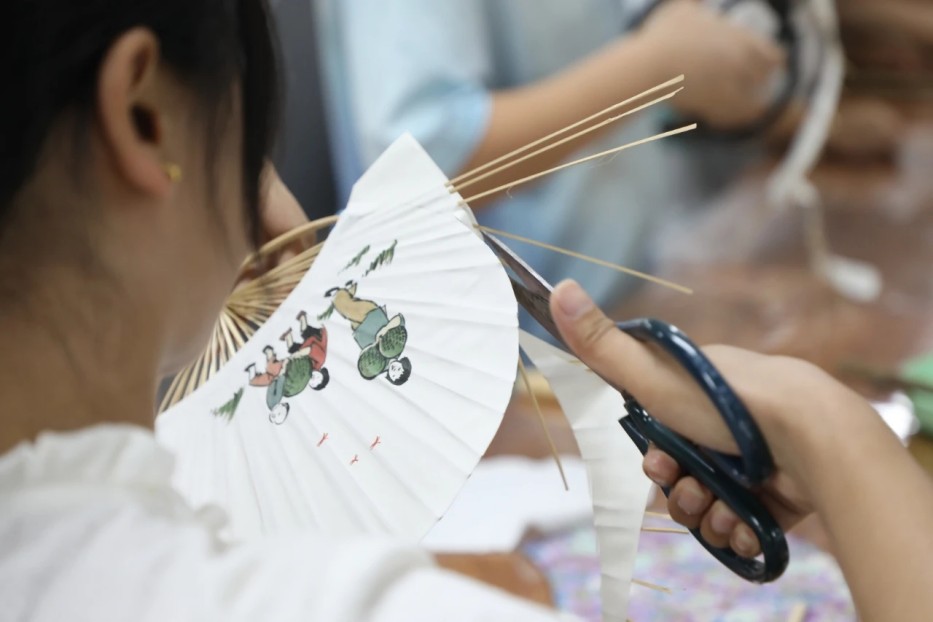
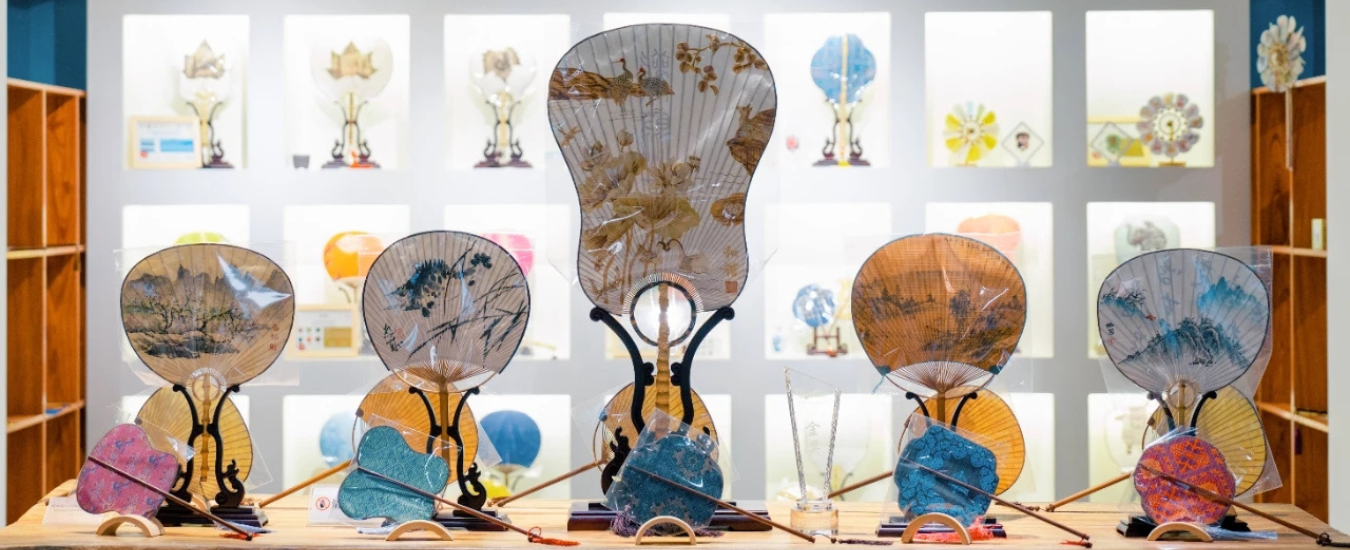
Further south in Guilin, a delicate bamboo silk fan reveals another expression of artistry. Made from ultra-fine bamboo filaments through more than twenty meticulous steps, each fan feels almost weightless. Often painted with landscapes or seasonal motifs, it embodies a gentle elegance and a sense of harmony rooted in daily life.
In the highlands of Yunnan, Tibetan incense offers a sensory connection to nature and spirituality. Blended from cypress, sandalwood and traditional herbs, this 1,300-year-old craft carries both cultural meaning and calming qualities, creating a moment of stillness in a fast-moving world.
Meanwhile in Chengdu, leather carving takes on a more contemporary warmth. In small community workshops, artisans, including those supported through social initiatives, transform natural leather into textured, handcrafted pieces, where each mark tells a personal story.
These traditions are not just to be observed, but experienced, inviting us to slow down, create and reconnect with the enduring beauty of human craftsmanship.