CHINA
a city of porcelain
For more than a thousand years, Jingdezhen has transformed clay into objects admired around the world. In 2026, the Jingdezhen Handicraft Porcelain Industry Sites were newly inscribed on the UNESCO World Heritage List, bringing fresh attention to a city where history is not simply preserved behind glass. It remains part of everyday life.
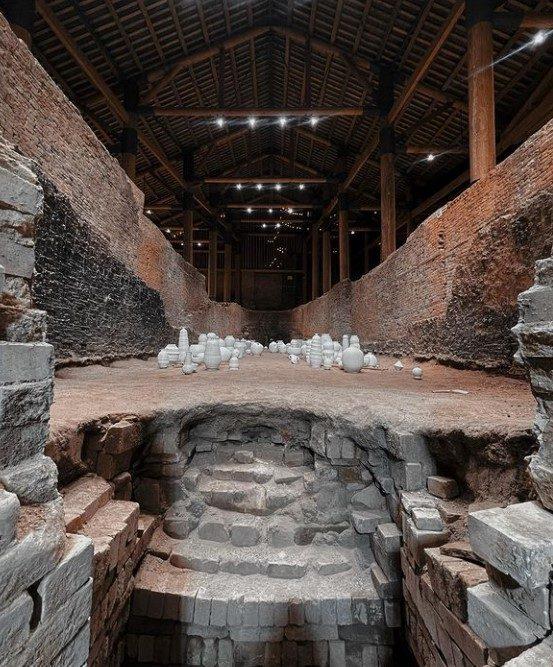
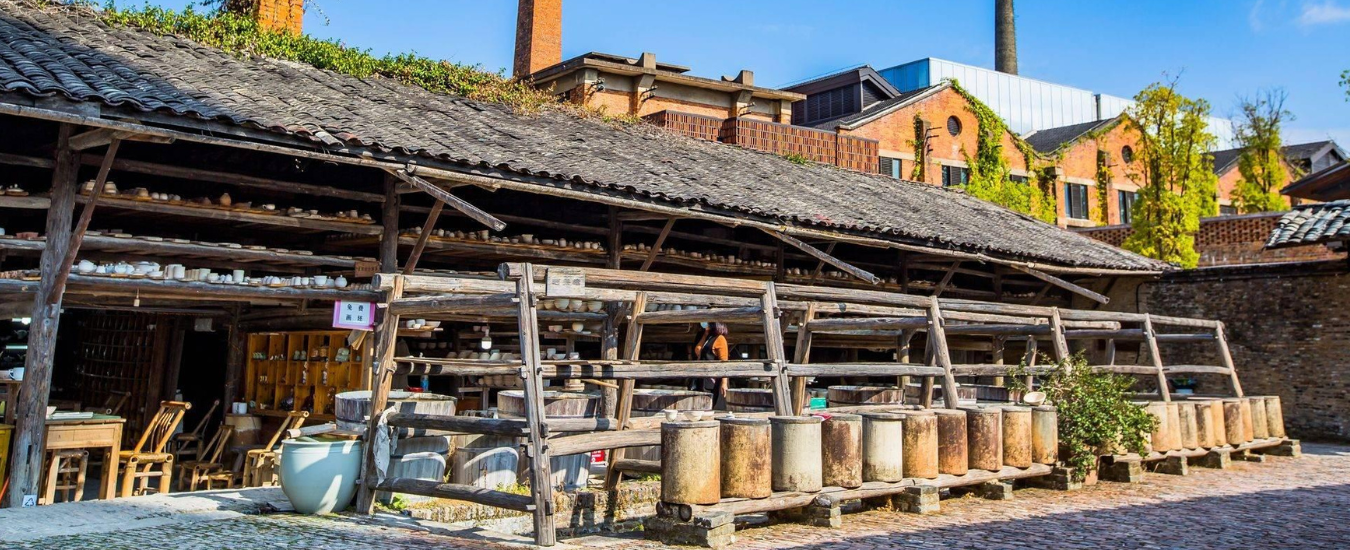
The heritage area tells the complete story of porcelain production, from the mining and transportation of raw materials to kiln design, specialist workshops and the organisation of a city built around craftsmanship. At the Imperial Kiln Museum, contemporary brick arches rise above layers of historic kiln remains, while elsewhere visitors can explore former factories, small studios and lively ceramic markets.
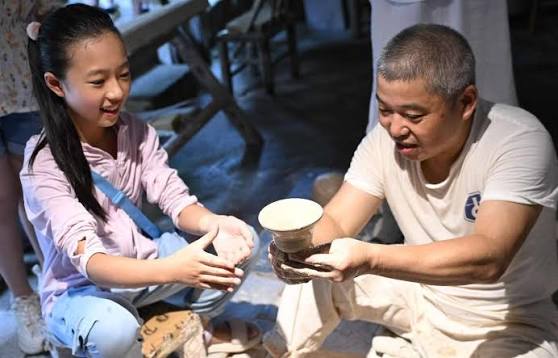
The most memorable experiences, however, often come through meeting today’s craftspeople. Travellers can watch clay being shaped on a wheel, see delicate blue-and-white patterns painted by hand, learn how pieces are glazed and fired or create a simple work of their own. Young artists from across China have also brought new energy to Jingdezhen, combining traditional techniques with modern design.
Porcelain is only one doorway into China’s rich world of intangible cultural heritage. In other regions, travellers may join a traditional tea-making experience, following the leaves from hand-picking to roasting and tasting. They can also learn Chinese paper-cutting, transforming a single sheet of red paper into an intricate symbol of celebration and good fortune.
These encounters offer more than beautiful souvenirs. They create a personal connection with living traditions and with the people who continue to carry them forward.