CHINA
Roads That Touch The Sky
There is a side of China few travellers ever reach. A world of high plateaus, sacred lakes, forgotten kingdoms and roads that disappear into the Himalayas.
This journey begins in Kashgar, the legendary Silk Road oasis at China’s far western edge, before climbing into the Pamir Plateau along the Karakoram Highway. Snow peaks rise above turquoise lakes, yaks graze beneath glaciers and tiny Tajik villages sit isolated between the borders of Afghanistan, Pakistan and Tajikistan.
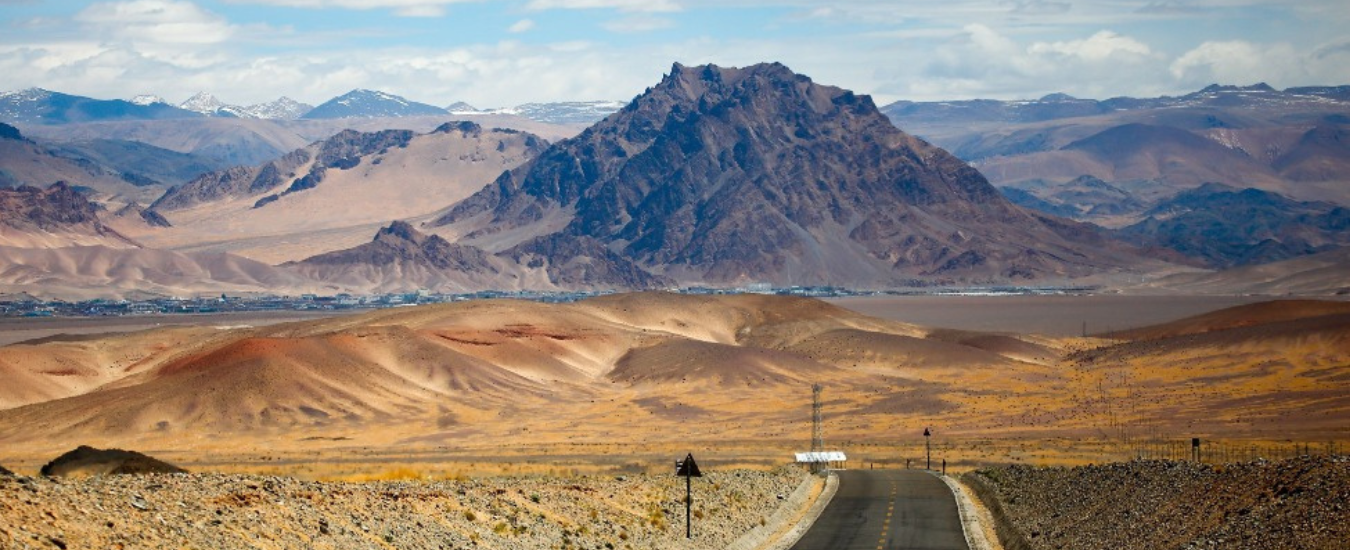
Further south and east, the route continues into Tibet, not the familiar postcard version around Lhasa, but the vast and remote lands beyond it. As travellers move westward across the “Roof of the World”, civilization gradually fades into endless skies, nomadic grasslands and some of the highest roads on Earth.
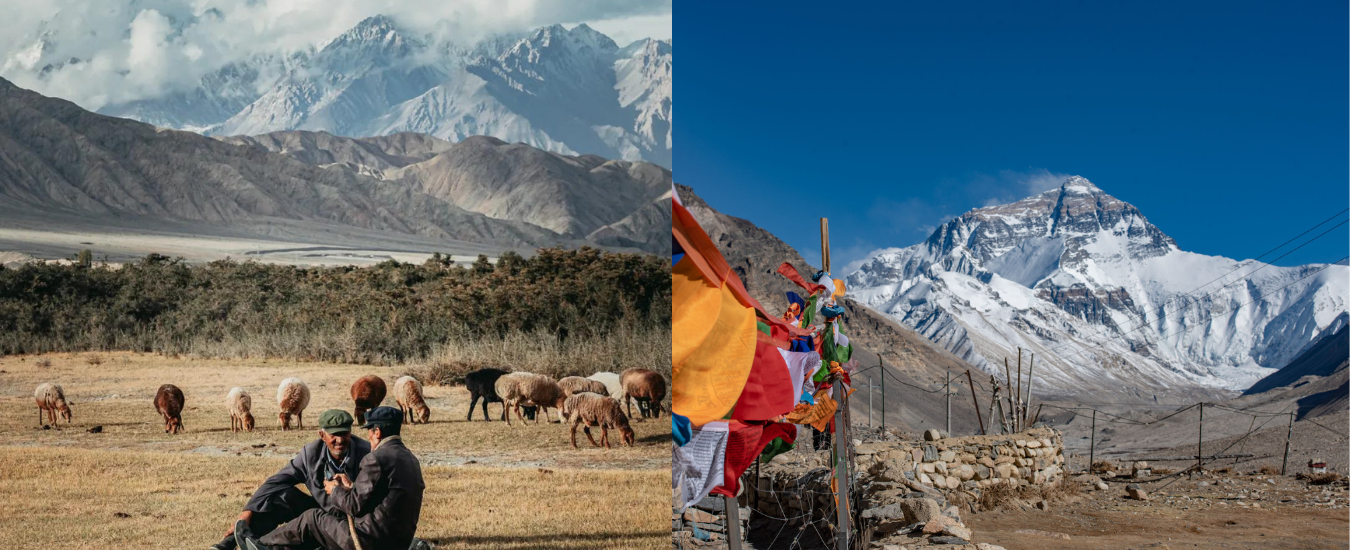
Western Tibet feels almost mythical. Ancient monasteries cling to barren cliffs, prayer flags whip across high mountain passes and sacred lakes shimmer in impossible shades of blue beneath snow-covered peaks. At Lake Manasarovar and Mount Kailash – one of Asia’s holiest mountains – pilgrims still complete ancient kora routes on foot, just as they have for centuries.
The expedition culminates near the northern face of Mount Everest, where travellers reach Everest Base Camp from the Tibetan side. At sunrise, the world’s highest mountain glows golden above the plateau, surrounded by complete silence and thin Himalayan air.
This is not conventional luxury travel. It is an expedition-style exploration through some of the most remote inhabited regions on Earth – a journey across frontiers where Tibetan, Central Asian and Himalayan cultures meet.
For travellers searching for the “last frontiers” of Asia, few experiences rival the scale, remoteness and raw beauty of western China and Tibet.