vietnam
The Last Great Loop
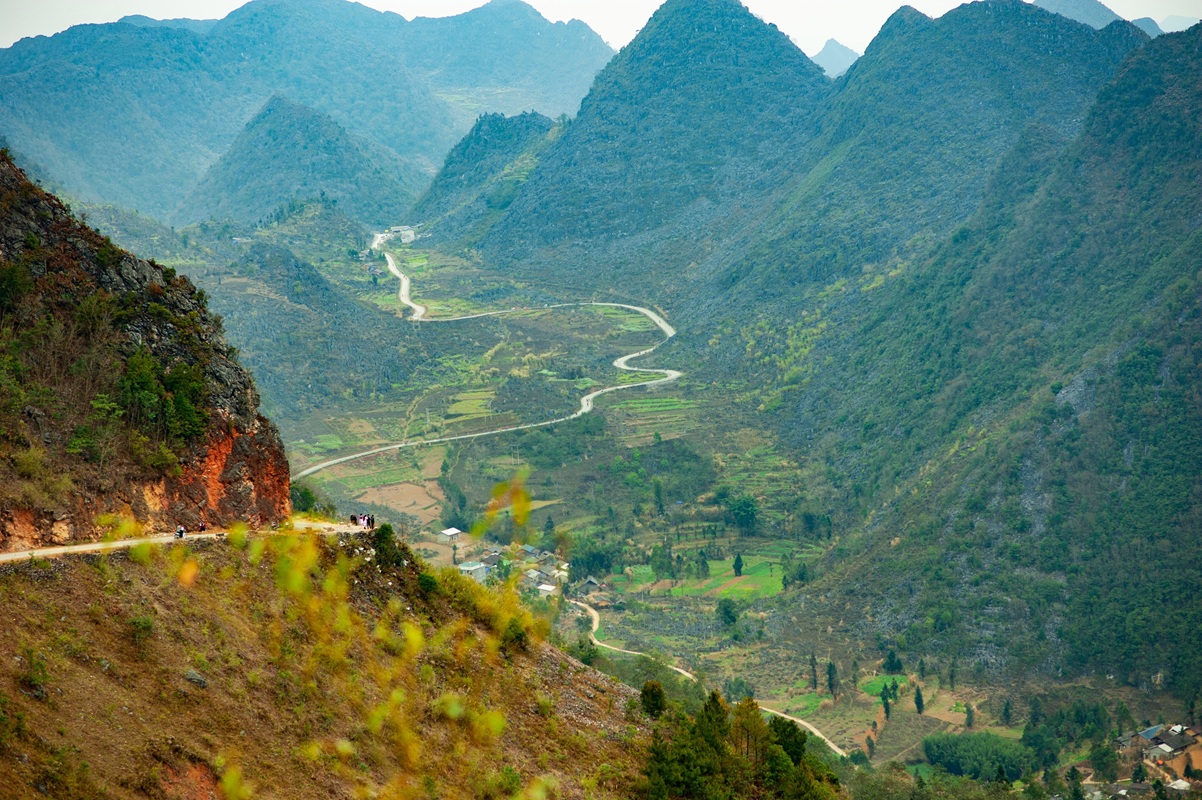
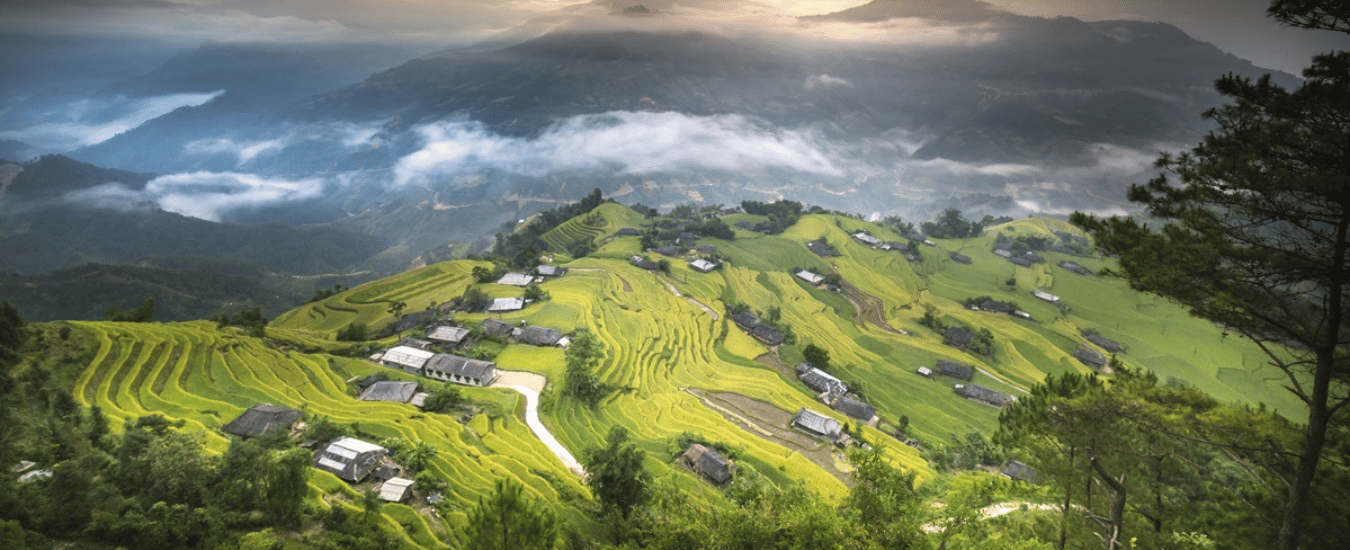
In Vietnam’s far north, where the country begins to dissolve into jagged limestone peaks and winding river valleys, lies Ha Giang – one of Southeast Asia’s most striking and least developed travel regions. This is a landscape of raw beauty and remoteness, where roads cling to cliffs, ethnic minority villages sit quietly above the clouds and every bend in the road reveals a new horizon.
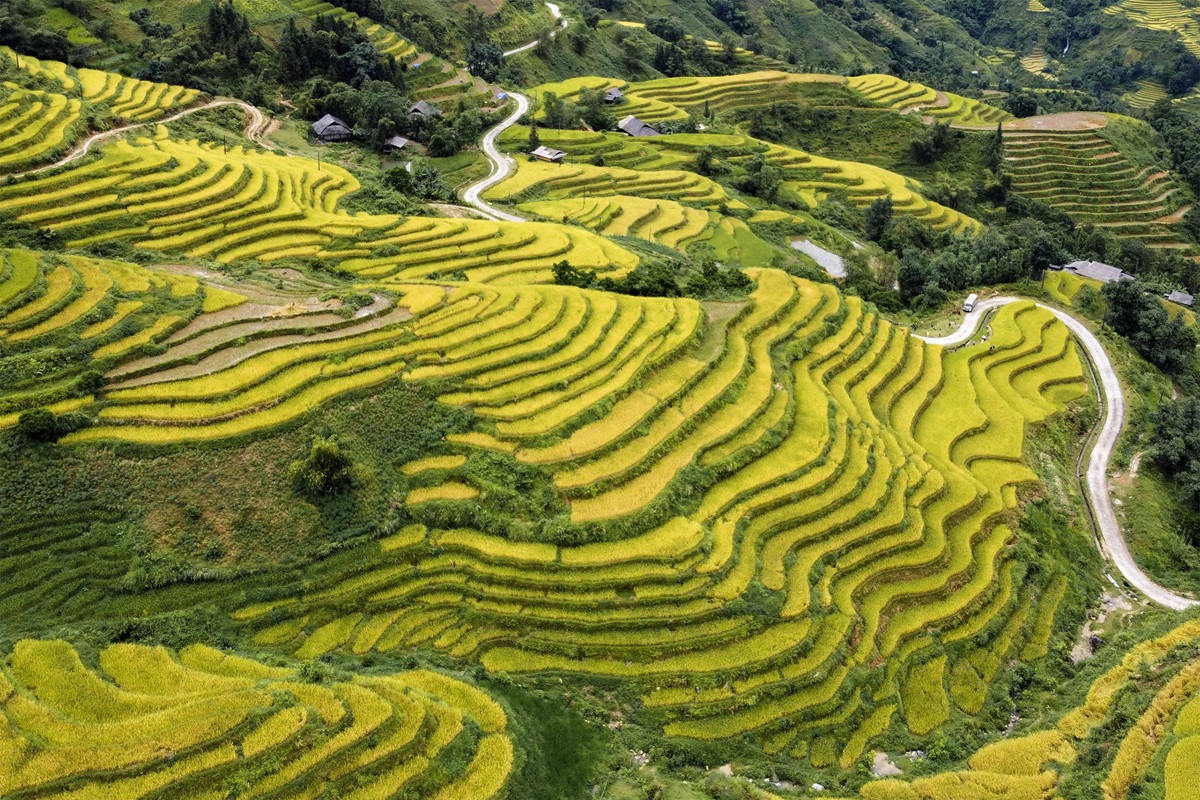
Ha Giang is best known for the legendary Ha Giang Loop, a circular mountain route that has become a rite of passage for adventurous travellers. Starting and ending in Hanoi’s orbit, the journey quickly leaves urban Vietnam behind and enters a world shaped by dramatic karst formations, deep river gorges and terraced hillsides carved over centuries.
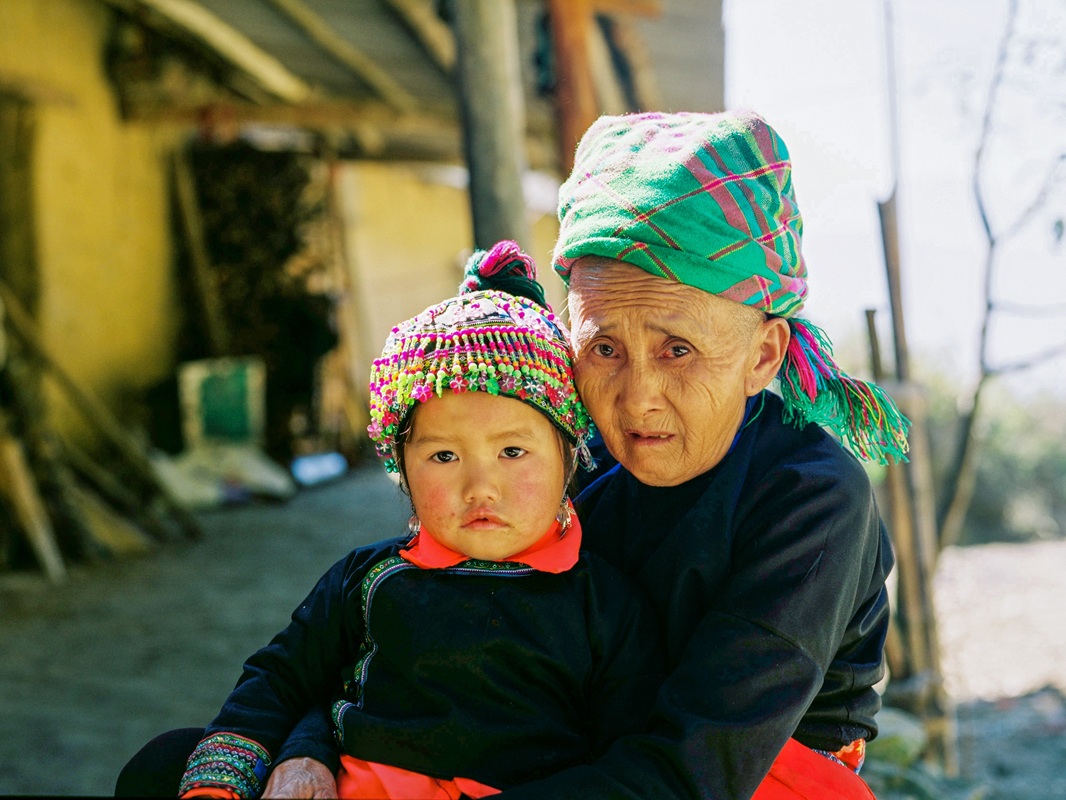
At the heart of the region lies the Dong Van Karst Plateau Geopark, a UNESCO-listed landscape that feels almost otherworldly. Here, limestone peaks rise like stone spires and narrow roads snake through valleys inhabited by Hmong, Tay and Dao communities who continue traditional ways of life in relative isolation. Markets are still held in remote townships where barter and local trade remain part of the rhythm of daily life.
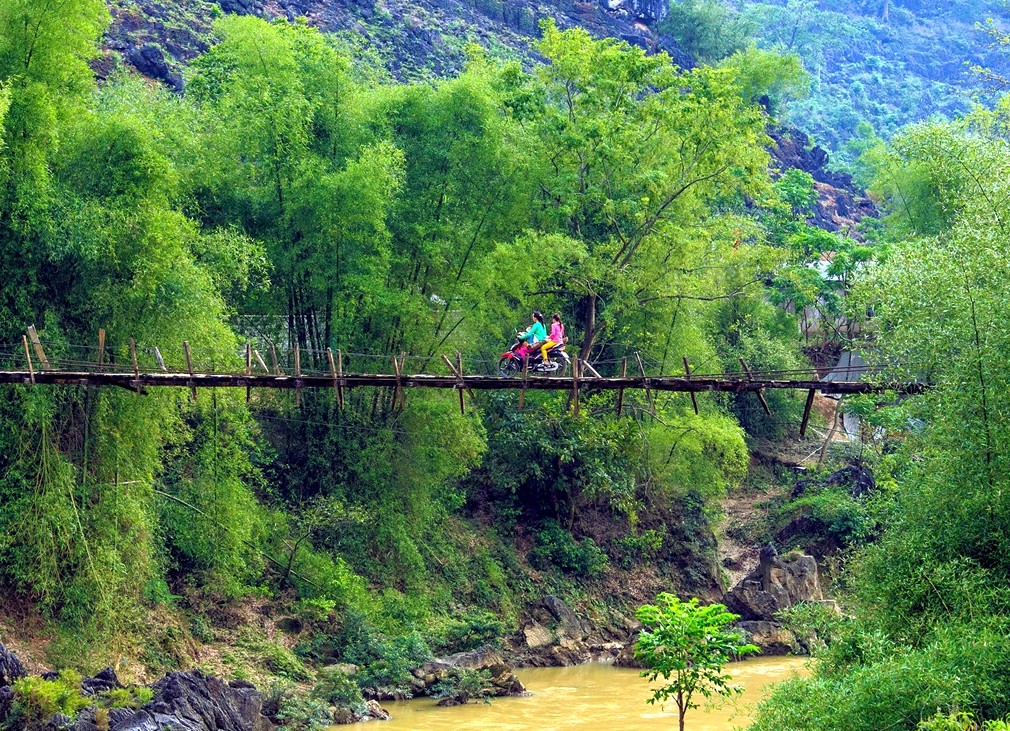
Travelling through Ha Giang is not about speed, but immersion. Whether by motorbike, guided vehicle or on foot, the journey is defined by slow encounters: tea shared in mountain homes, children walking to school along ridgelines and mist drifting through valleys at sunrise. It is one of the few places in Vietnam where tourism still feels like exploration rather than visitation.
Beyond its scenery, Ha Giang offers a powerful sense of distance from modern Asia. Nights are quiet, skies are vast and the sense of scale is overwhelming – both in the landscape and in the cultural depth of the region.